Common Septic Tank Problems SEPTIFIX Can Solve
Septic tank issues often start small—a faint odor, a slower drain, a patch of wet soil near the yard. But if these early signs are ignored, they quickly turn into expensive repairs or full system failures.
Most homeowners only realize there’s a septic issue when foul odors, slow drains, or backups begin to appear. But what many don’t know is that these symptoms usually come from the same root cause—
the buildup of sludge, harmful bacteria imbalance, and a drop in oxygen levels inside the tank.
This article walks you through the common septic tank problems SEPTIFIX can solve. We will gain insight into why they occur and how one simple treatment—SEPTIFIX—can address them naturally and prevent them from returning.
7 Common Septic Tank Problems SEPTIFIX Can Solve
1. Septic Tank Smell Inside or Outside the House
The Problem
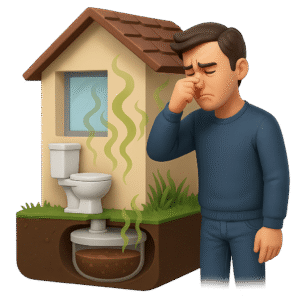
Bad septic smells—especially from bathrooms, sinks, basements, or outdoors—are usually the first warning sign that something is wrong.
You may notice:
- A sulphur or “rotten-egg” smell
- Odor from toilet or sink drains
- Odor coming from the yard near the drain field
The Real Cause
Odors appear when the septic tank shifts into an unhealthy state:
- Low oxygen → more anaerobic bacteria → more toxic gases
- Too much sludge and grease
- Waste decomposition slows down
- Harmful gases escape into your home or yard
These odors will NOT go away on their own. They will get worse.
How SEPTIFIX Fixes It
SEPTIFIX tablets release oxygen + pH stabilizers inside the tank, neutralizing odor-causing gases within 24–48 hours.
The oxygen also boosts good bacteria, which rapidly break down waste so odors don’t return.
Homeowners use SEPTIFIX as a long-term, natural septic odor solution because it fixes the root cause—not just the symptoms.
- Also Read: How SEPTIFIX Tablets Work
2. Slow Drains in Sinks, Showers, and Toilets

The Problem
Slow drains and gurgling sounds usually mean your septic tank is filling or struggling to process waste.
Signs include:
- Water pooling in sinks or showers
- Toilets flushing slowly
- Gurgling or bubbling noises
The Real Cause
Slow drainage rarely means a simple plumbing clog.
It usually happens because:
- Sludge levels are too high
- Fats, oils, and waste aren’t breaking down
- Household chemicals killed natural bacteria
- Water flow inside the tank is restricted
How SEPTIFIX Fixes It
The oxygen-releasing formula dissolves solids more effectively, reducing sludge and allowing wastewater to move freely again. Regular use restores normal drainage and prevents future slowdowns.
3. Thick Septic Sludge Buildup
The Problem
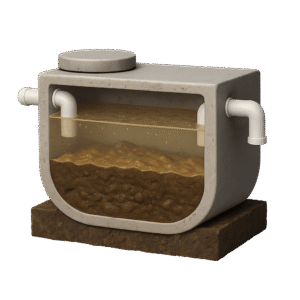
Every septic tank has sludge, but when it becomes too thick, your system begins to fail.
Too much sludge leads to:
- Costly pump-outs
- Back up into drains
- Reduced tank capacity
- Risk of overflow
The Real Cause
Sludge accumulates when the tank’s bacterial activity drops. Common reasons:
- Overuse of bleach, detergents, and chemical cleaners
- Waste does not decompose fully
- And older systems with poor oxygen levels
How SEPTIFIX Fixes It
SEPTIFIX adds billions of live bacteria and oxygen, which liquefy organic sludge and break down:
- solid waste
- toilet paper
- fats and grease
- biodegradable materials
This helps reduce sludge naturally—saving you from costly pump-outs.
4. Strong Outdoor Odors & Drain Field Issues
The Problem
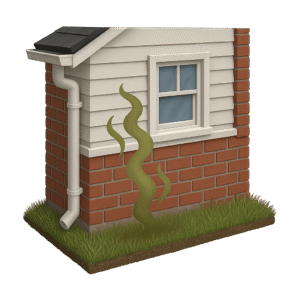
If your yard smells like sewage or you notice patches of unusually green, wet, or soggy soil, the drain field is struggling. This means wastewater isn’t being absorbed properly.
The Real Cause
Drain field failure or strain often happens because:
- Waste is not breaking down properly in the tank
- Anaerobic bacteria create biofilms that clog drain field pipes
- Gas pressure pushes odor upward into the yard
How SEPTIFIX Fixes It
The introduction of oxygen and fast-acting bacteria helps:
- Break down organic waste faster
- Reduce the gas pressure pushing odors into the soil
- Dissolve biofilms that restrict drain field absorption
- Improve overall system efficiency
Many homeowners use SEPTIFIX to restore drain field performance without costly digging or replacement.
5. Frequent Pump-Outs and Rising Septic Maintenance Costs
The Problem
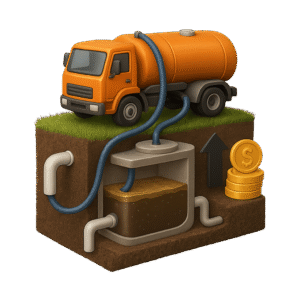
Some households call septic services far more often than others.
Common reasons for this include:
- High sludge levels
- Overloaded systems
- Dying bacterial colonies
- Grease and solidsare not breaking down
The Real Cause
A septic tank becomes high-maintenance when it lacks enough aerobic bacteria to digest waste properly.
How SEPTIFIX Fixes It
By introducing oxygen and supporting strong bacterial colonies, SEPTIFIX transforms your tank into a self-maintaining system that keeps sludge low and waste flowing. This directly reduces the frequency of pump-outs.
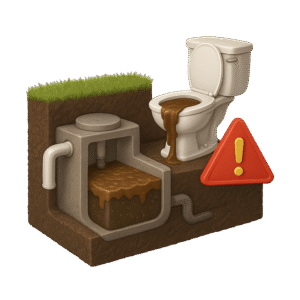
6. Septic Tank Backups & Overflow Risks
The Problem
Backups are one of the most serious septic issues. Before a backup happens, homeowners usually notice:
- Very slow drains
- Gurgling
- Odors
- Wastewater returning into sinks or toilets
The Real Cause
Backups occur when sludge and solids overpower the system. This is usually caused by:
- Thick sludge
- Blockages inside the tank
- Bacterial imbalance
- Incomplete waste breakdown
How SEPTIFIX Fixes It
SEPTIFIX reduces the chance of backups by:
- Dissolving sludge naturally
- Eliminating gas pressure
- Restoring healthy bacterial levels
- Improving flow inside the tank
It addresses the hidden cause of most septic backups before they happen.
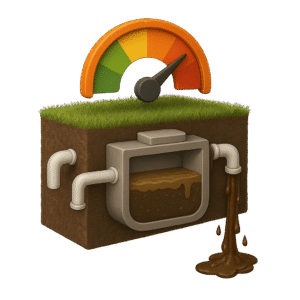
7. Entire Septic System Running Inefficiently
The Problem
Your septic system isn’t “failing,” but it’s not performing optimally.
Symptoms include:
- occasional smell
- occasional slow drains
- inconsistent water flow
- increased pump-outs
How SEPTIFIX Revives the System
SEPTIFIX optimizes the tank environment so the system as a whole functions like new:
- balanced pH
- faster waste digestion
- stable aerobic bacteria levels
- reduced sludge
Also Read: SEPTIFIX vs Traditional Septic Treatments
Why SEPTIFIX Works Better Than Traditional Septic Treatments
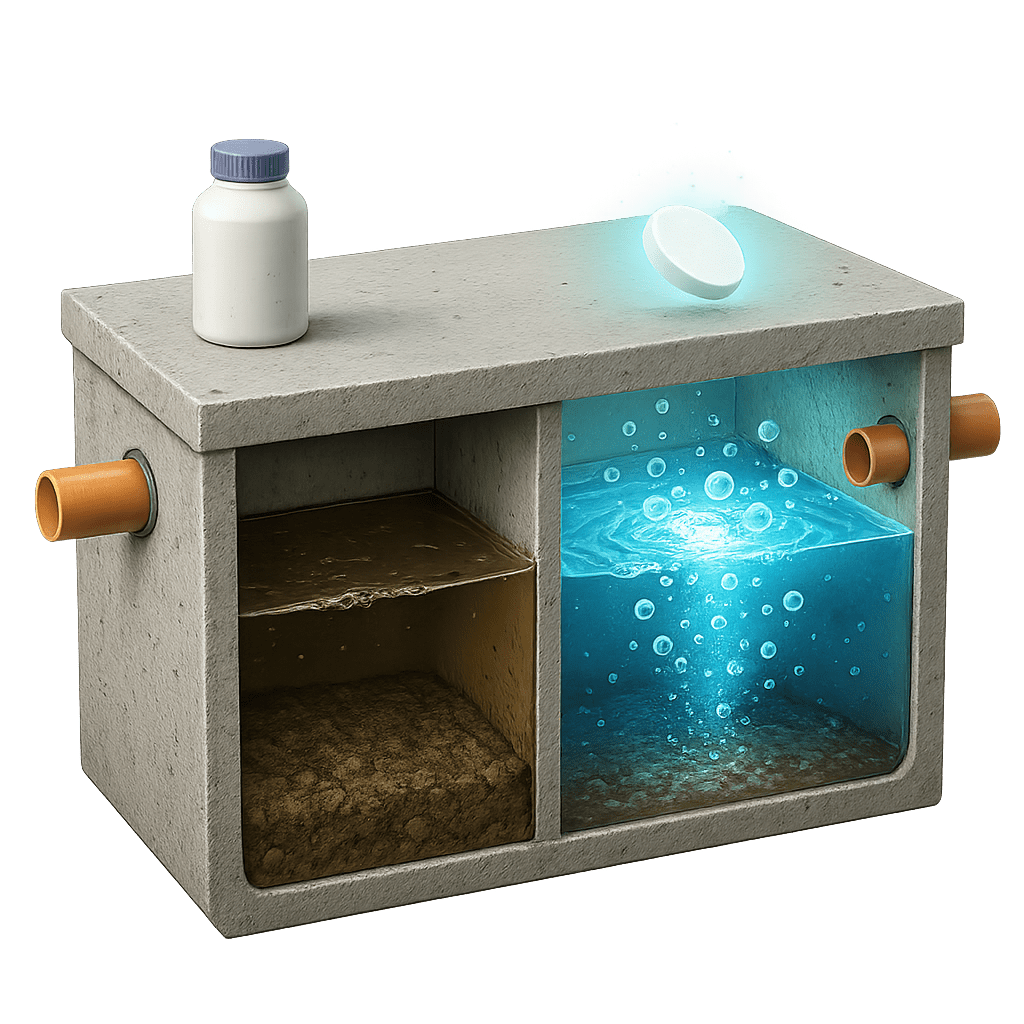
Traditional powders, liquids, and enzyme packets offer only one type of solution—usually short-term digestion support. But they don’t fix oxygen levels or toxic gases.
SEPTIFIX works on multiple levels simultaneously:
✔ Releases oxygen for up to 72 hours
✔ Supports aerobic bacteria (stronger waste digester)
✔ Neutralizes toxic gases instantly
✔ Dissolves sludge, grease, and solids
✔ Improves drain field performance
✔ Prevents odors and backups before they start
This is why thousands of homeowners use SEPTIFIX as their long-term septic maintenance solution.
How to Use SEPTIFIX (Simple Monthly Routine)
- Drop one tablet into your toilet.
- Flush.
- The tablet travels to the septic tank and dissolves.
- Oxygen and beneficial bacteria spread throughout the system.
Most households use 1 tablet per month. Larger families may benefit from 2 tablets monthly during the first 60 days.
Final Thoughts
Most septic tank problems can be prevented—and even reversed—by restoring the tank’s natural ability to break down waste. Whether you’re dealing with slow drains, bad odors, sludge buildup, or drain field concerns, SEPTIFIX offers a simple, chemical-free solution that fixes these issues at the source.
This single page helps readers solve their septic problem and nudges them naturally toward the product without sounding salesy—perfect for SEO, conversions, and sitelinks.
FAQs
What’s the best septic tank smell fix?
A long-lasting fix requires increasing oxygen in the tank and reducing odor-causing gases like hydrogen sulfide. SEPTIFIX tablets achieve both naturally.
Can slow drains be caused by septic issues?
Yes. Slow drains often mean your septic tank has too much sludge or low bacterial activity. SEPTIFIX helps restore normal flow.
How do I reduce sludge in my septic tank naturally?
Using oxygenated bacteria—like those in SEPTIFIX—breaks down solids and reduces sludge without harsh chemicals.
What causes septic tanks to smell so bad?
Anaerobic bacteria produce toxic gases. SEPTIFIX neutralizes these gases within hours.
How fast does SEPTIFIX work?
Many homeowners see odor reduction in 24–48 hours and improved performance within 1–2 weeks.
Is SEPTIFIX safe for pipes and plumbing?
Yes. The tablets use natural bacteria and oxygen—not corrosive chemicals.
Will SEPTIFIX help with septic backups?
It helps by reducing sludge and keeping waste flowing properly, minimizing risk of backups.
Is SEPTIFIX better than enzyme powders?
Enzyme powders lack oxygen and often die in harsh tank conditions. SEPTIFIX adds oxygen and delivers stronger bacteria.
How often should I use SEPTIFIX?
Most households use one tablet per month. Larger families may need two.
Can SEPTIFIX prevent costly septic repairs?
Yes. By keeping sludge levels low and restoring bacterial balance, the system stays healthier and lasts longer.