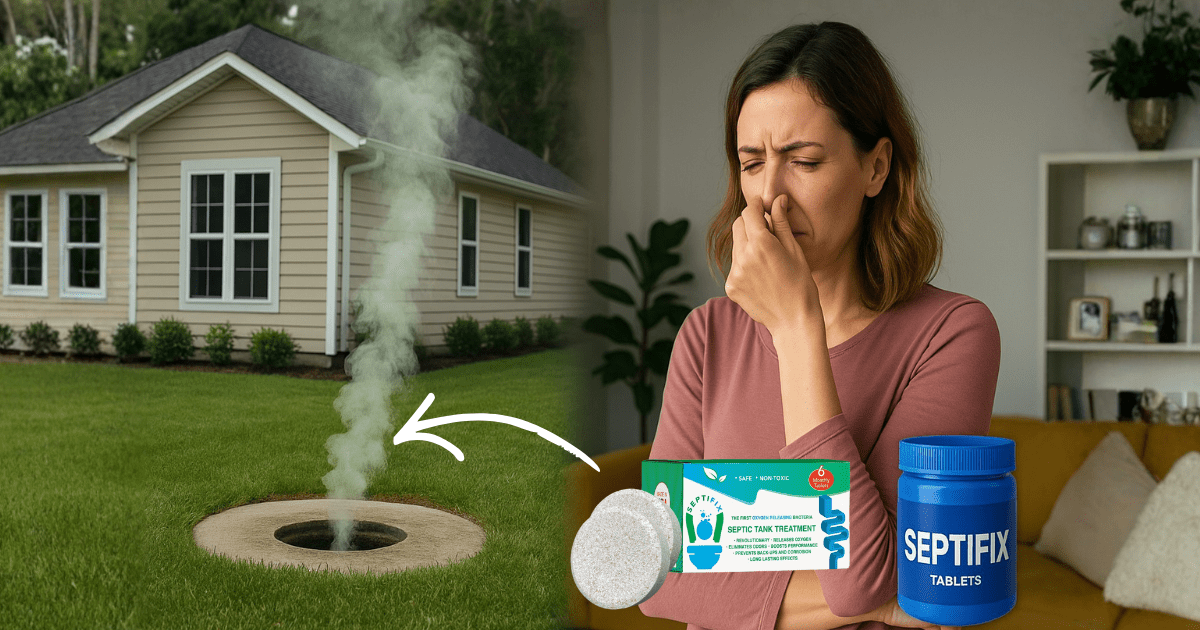
How To Fix Your Septic Tank Issues at Low Cost
Published Under:
Table of Contents
A septic system is one of the most essential yet overlooked parts of a home—and when it fails, the repair bills can be intimidating. From foul odors to slow drains, backups, and overflowing drain fields, most homeowners fear septic tank issues because they assume fixing them always requires expensive pumping, excavation, or total replacement.
The good news: we will show you how to fix your septic tank issues at low cost. Most septic tank issues can be fixed at a low cost if you catch them early and use smart, science-backed maintenance methods.
In this guide, you’ll learn the common causes of septic system problems, what you can fix yourself, and how solutions like SEPTIFIX are helping homeowners reduce maintenance expenses while keeping their tanks healthy all year long.
Common Septic Tank Issues and Why They Happen
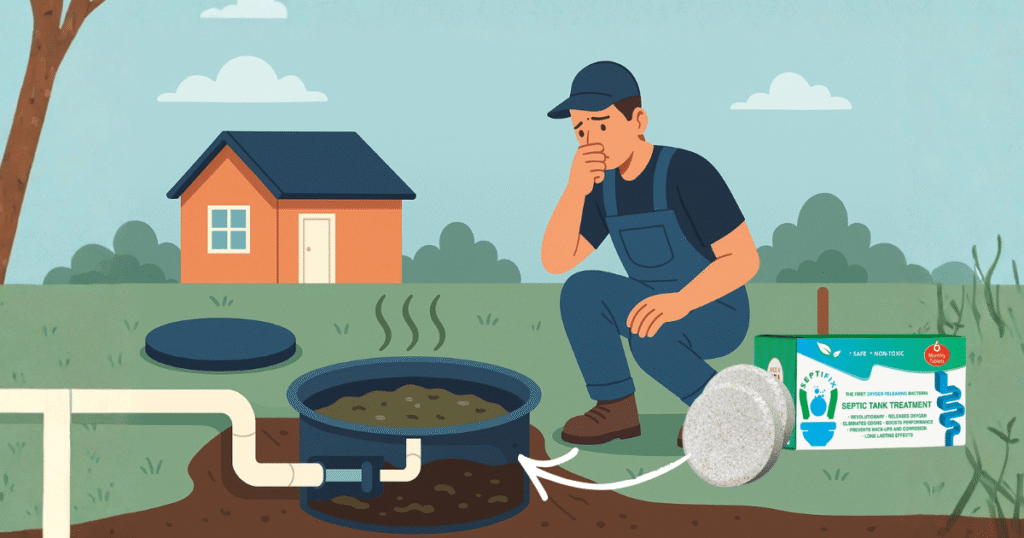
Before you jump into fixing anything, it’s helpful to understand what may be causing the problem. Most septic tank issues fall into a few predictable categories:
1. Sludge Buildup
As waste accumulates, solids settle at the bottom. If the bacteria in your septic system aren’t breaking these solids down fast enough, you’ll get a thick sludge layer that slowly blocks pipes and reduces tank efficiency.
- Low-cost fix: Boost beneficial bacteria and oxygen in the tank to help break down solids naturally.
2. Foul Odors Inside or Outside the House
Strong septic smells often indicate that the tank’s natural bacterial ecosystem is weak or imbalanced. Without enough oxygen, waste breaks down slowly, creating sulfuric, rotten-egg smells.
- Low-cost fix: Improve oxygen levels in the tank and restore healthy bacterial activity.
3. Slow Drains or Gurgling Pipes
If your sinks or toilets drain slowly, the issue may not be the plumbing—it could be a septic tank that is clogged with fats, solids, or accumulated sludge.
Low-cost fix: Treat the tank to dissolve waste buildup before it becomes a major blockage.
4. Sewage Backup
This is a serious warning sign. When waste can’t flow into the drain field properly, it comes back up into the house. This often happens when anaerobic (“oxygen-poor”) conditions inside the tank slow down the waste breakdown process.
- Low-cost fix: Oxygenation + bacterial boosting treatment to restore flow.
5. Drain Field Flooding
A saturated drain field usually means the tank isn’t processing waste efficiently, causing overflow.
Low-cost fix: Break down solids faster inside the tank so less waste flows into the drain field.
Now that you understand the root causes, let’s explore affordable ways to fix and prevent these problems.
Low-Cost Ways to Fix Common Septic Tank Problems
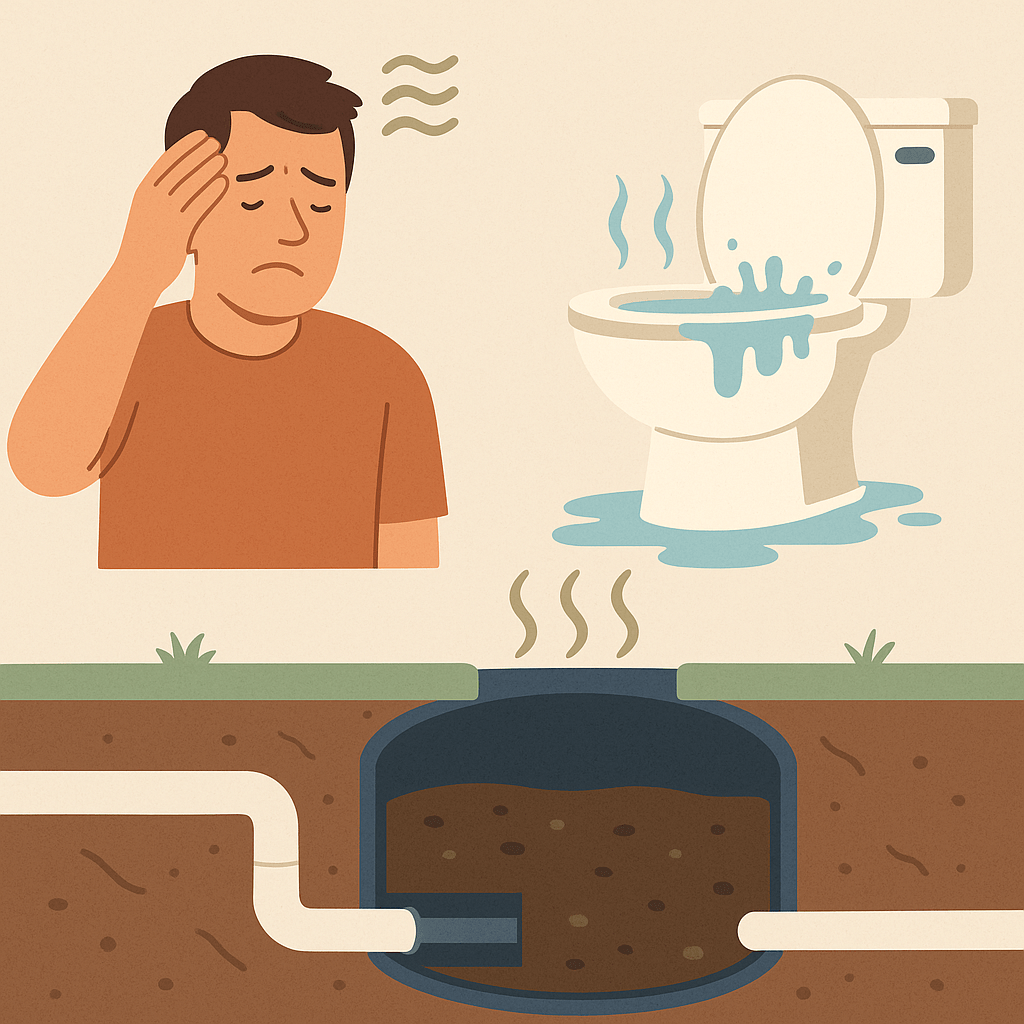
The key to low-cost septic system repair is restoring the right balance of bacteria, oxygen, and pH inside the tank—without hiring contractors unless absolutely necessary.
Here are the top homeowner-friendly solutions:
1. Use an Effective Septic Treatment Tablet (The Most Affordable Approach)
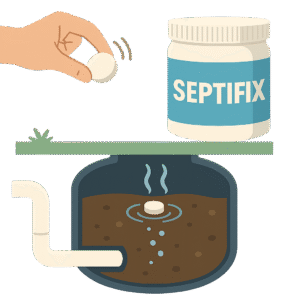
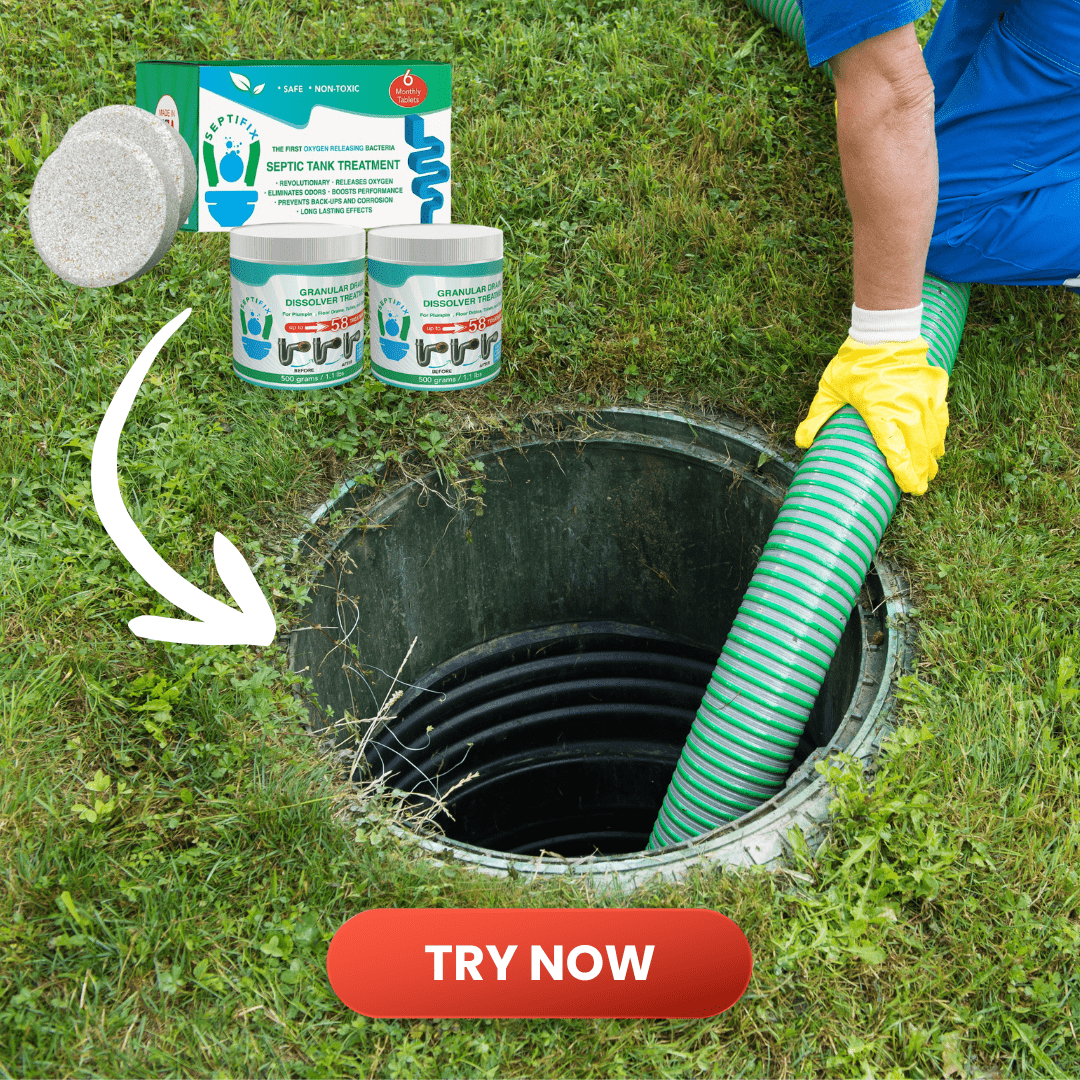
One of the cheapest ways to revive a struggling septic tank is to use a high-quality treatment formula. Among all options available today, SEPTIFIX stands out because:
- It delivers up to 10 liters of oxygen per tablet, creating an aerobic environment inside the tank (this dramatically speeds up waste breakdown).
- It includes multiple strains of beneficial aerobic bacteria that multiply quickly once flushed into the system.
- It contains pH-regulating compounds, making your septic tank environment ideal for continuous digestion.
- Each tablet is eco-friendly and safe for all septic systems.
- It helps reduce pumping frequency, saving hundreds of dollars per year.
Most importantly, it’s incredibly easy to use:
✔️ Drop one tablet into your toilet
✔️ Flush
✔️ Let the formula dissolve and get to work
Many homeowners use SEPTIFIX monthly as a low-cost preventive measure instead of paying for expensive emergency repairs.
2. Reduce Water Overload in the System

Excess water entering the tank can stir up solids and push them into the drain field.
Low-cost preventive steps:
- Fix leaking faucets
- Install water-saving showerheads
- Spread out laundry loads
- Avoid long, continuous water-heavy activities
Small changes can dramatically reduce septic strain.
3. Keep Harsh Chemicals Out of the Drain

Bleach, antibacterial soaps, and drain cleaners kill the beneficial bacteria your septic tank desperately needs.
Replace them with:
- Natural cleaning products
- Enzyme-based detergents
- Eco-friendly soaps
This helps bacteria multiply faster and keeps the system balanced.
4. Remove Grease and Food Waste Properly

Pouring fats, oils, and food scraps into the sink eventually clogs the tank and pipes.
Better alternatives:
- Throw food scraps in the trash or compost
- Pour cooled cooking grease into a container and dispose of it properly
Simple change = stronger septic system.
5. Pump Only When Necessary
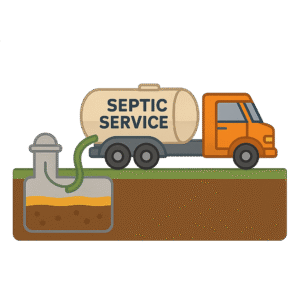
While pumping is essential every 2–5 years, depending on usage, many homeowners are overcharged because their tanks become overwhelmed by poor bacterial activity.
Using SEPTIFIX can reduce the frequency of pumping by keeping waste dissolved and bacteria active year-round.
Why Homeowners Are Turning to SEPTIFIX as a Low-Cost Solution
Many septic problems begin with poor oxygen levels, slow bacterial activity, and sludge buildup. Pumping can remove the symptoms, but it does not fix the underlying weakness inside the tank.
That’s where SEPTIFIX becomes a powerful long-term solution. According to the official site:
- Each tablet releases oxygen, transforming the tank into an aerobic environment where waste breaks down 3–5x faster.
- The formula’s bacteria blend restores balance and boosts waste digestion.
- pH regulators maintain the perfect environmental conditions.
- It helps eliminate bad odors, reduce clogs, and support a healthier drain field.
For homeowners looking to fix septic tank issues without spending thousands, SEPTIFIX is a simple, low-cost alternative to emergency repairs and frequent pumping.
- 👉 Get SEPTIFIX
When You Do Need a Professional
While most mild-to-moderate issues can be fixed at a low cost, call a professional if you notice:
- Sewage backing up repeatedly
- A drain field that stays flooded for weeks
- Structural damage to your tank
- Strong sewage smells inside the home
In these cases, treatment tablets can help—but a technician may be required to assess physical damage.
Final Thoughts: Fixing Septic Issues Doesn’t Have to Be Expensive

Many homeowners spend far more than necessary because they wait too long or assume professional pumping is the only fix. But the truth is:
✔️ Most septic tank issues start inside the tank
✔️ Most of them can be resolved affordably
✔️ Oxygen, bacteria, and pH balance are the key to restoring the system
This is exactly why thousands of homeowners now rely on SEPTIFIX—a small, easy-to-use tablet that helps keep the septic system healthy, odor-free, and functioning smoothly.
If you want a low-cost way to fix or prevent septic tank issues, SEPTIFIX is one of the most practical solutions available today.
FAQs
What is the cheapest way to fix septic tank problems?
The cheapest way to fix most septic tank issues is to address the root cause early—usually sludge buildup, low oxygen levels, or bacterial imbalance. Instead of expensive pumping or repairs, many homeowners use treatment tablets like SEPTIFIX, which boost bacteria, oxygenate the tank, and break down waste affordable. Regular maintenance and water reduction habits also cut long-term costs.
Can septic tank issues be solved without hiring a professional?
Yes. Many minor-to-moderate septic issues—such as slow drains, foul smells, and early-stage sludge buildup—can be fixed without a technician. Using an oxygen-releasing treatment like SEPTIFIX, reducing water load, avoiding chemicals, and proper food/grease disposal often restore normal function. However, severe backups or drain field failures require professional help.
How do I know if my septic tank needs treatment?
Signs include:
* gurgling sounds,
* slow drains,
* bad odors near drains or outside,
* pooling water around the drain field,
* Toilets flushing slowly.
If you notice any of these, using a septic treatment tablet such as SEPTIFIX can help restore bacterial balance and improve tank performance.
How often should I treat my septic tank to avoid costly problems?
Most homeowners use a septic treatment once a month for maintenance. SEPTIFIX tablets are designed for monthly use to keep bacteria active, maintain pH balance, and oxygenate the tank so issues like clogs and odor don’t build up. Regular treatment can reduce pumping frequency, saving money long-term.
Does using septic tank treatment tablets really reduce pumping costs?
Yes—effective treatments accelerate waste breakdown, reduce sludge buildup, and prevent blockages. With improved bacterial activity and oxygenation, your tank stays cleaner for longer. Many users of SEPTIFIX report fewer pump-outs and lower maintenance bills, making it a cost-saving solution.
What causes septic tank smells inside the house?
Unpleasant odors typically come from anaerobic (low-oxygen) conditions in the tank, causing waste to decompose slowly and release sulfur-like smells. Adding oxygen and beneficial bacteria—such as through SEPTIFIX tablets—helps eliminate odors by speeding up natural waste digestion.
Can too much water damage my septic tank?
Yes. Excessive water entering the tank can overwhelm the system, stir up solids, and push untreated waste into the drain field. To prevent damage, spread out laundry loads, fix leaks, use low-flow fixtures, and avoid long back-to-back showers. Reducing water overload is one of the easiest low-cost fixes.
Are chemical drain cleaners safe for septic systems?
No. Harsh chemical cleaners kill the natural bacteria your septic tank needs to break down waste. This leads to sludge buildup, odors, and blockages. Instead, use septic-safe cleaners or rely on biological treatments like SEPTIFIX, which support natural digestion rather than damaging it.
How can I prevent septic tank problems in the future?
Follow these simple, budget-friendly steps:
* Use SEPTIFIX or other bacterial treatments monthly
* Avoid chemicals, grease, wipes, and food scraps
* Conserve water
* Pump the tank only when needed (every 2–5 years)
Preventive habits are the best low-cost strategy for long-term septic health.
When should I call a septic professional?
Call a technician if you notice:
* sewage backing up into the house,
* standing water in the drain field for more than a day,
* extremely foul odors that don’t go away after treatment,
* visible structural damage around the tank.
While SEPTIFIX helps with internal biological issues, physical damage or major backups need expert intervention.
Sharing is caring ❤️
Other posts